How to Maintain Outdoor Furniture: A Practical Guide

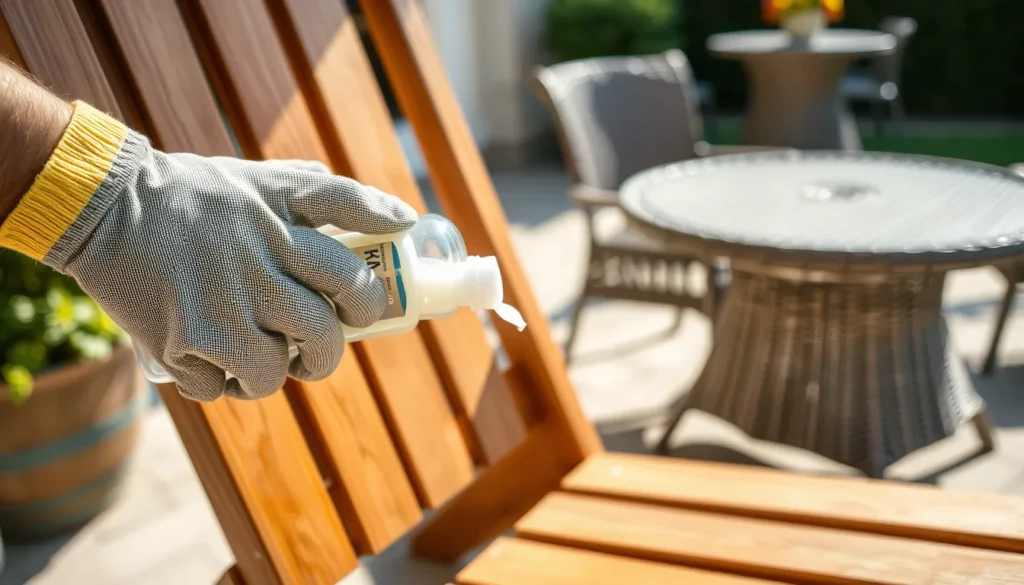
If you are ready to learn how to maintain outdoor furniture, this guide provides a clear, practical roadmap. Whether you own teak, aluminum, or wicker, understanding the basics of material science helps you make better care decisions from day one.
You will learn specific steps for weatherproofing, pore cleaning, and rust prevention. By moving from fundamental principles to seasonal routines, you gain the confidence to keep every piece functional and attractive for years without unnecessary guesswork.
Identify Your Furniture Materials and Their Specific Care Needs
When you first step outside, take a quick inventory of the pieces you own. Each material—wood, metal, plastic, synthetic wicker, and fabric—has its own set of vulnerabilities and strengths that dictate how you should care for it.
Wood, whether solid hardwood or engineered composite, is porous. Sunlight can dry it out, while moisture can cause swelling or rot if not sealed. A protective sealant that offers UV resistance will keep the grain from cracking and the color from fading.
Metal furniture, especially aluminum and steel, reacts differently. Aluminum is naturally corrosion‑resistant but can still develop a dull film; a clear weatherproofing spray will preserve its shine. Steel requires more attention: rust prevention—such as a primer and paint coat—keeps it from pitting, while regular wiping removes salt or grit that accelerates oxidation.
Plastic and polycarbonate pieces are tough against water but can become brittle under prolonged UV exposure. A UV‑blocking coating slows yellowing and preserves flexibility.
Synthetic wicker, often made from polyethylene or polypropylene, is designed to withstand the elements. However, it can still warp or discolor if left in direct sun for too long; a light coat of a weather‑proofing spray helps maintain its shape and color.
Fabric cushions and upholstery are the most sensitive. They absorb water and can develop mildew, so a fabric stain remover and a protective cover that offers UV resistance are essential. Keeping the material dry and shaded during hot weather prevents fading and mold.
Understanding these material characteristics is the key that unlocks all subsequent steps—cleaning, protecting, and repairing. It ensures that every action you take is tailored to the specific needs of each piece, preventing unnecessary damage and extending the life of your outdoor collection.
Establish a Regular Cleaning Routine
Once you know the material of each piece, establish a routine that keeps surfaces clean without compromising their integrity. A light, weekly wipe down removes dust and pollen, while a deeper monthly wash tackles bird droppings and stubborn grime.
For metal frames, use a mild soap solution and a soft microfiber cloth. Rinse with clean water and dry immediately. This prevents rust and keeps the metal ready for a protective sealant that offers UV resistance. If the metal shows early signs of corrosion, apply a rust‑prevention primer before sealing.
With wood or composite panels, a damp sponge and a gentle cleanser that contains no harsh acids will keep the pores clean. After rinsing, allow the wood to dry fully, then apply a weatherproofing sealer. This step seals the surface, enhancing UV resistance and protecting against moisture intrusion.
For fabric cushions and upholstery, a fabric stain remover works best for bird droppings and food spills. Lightly dab the stain, then gently blot with a clean, damp cloth. After drying, treat with a fabric‑friendly protective spray that adds a layer of weatherproofing.
After storms or heavy pollen days, give each surface a quick wipe with a soft brush to dislodge debris. Schedule a more thorough cleaning at the start of each season, ensuring all materials receive the care they need to stay attractive and durable.
Apply Weather‑Protection Measures
Once your furniture is clean and dry, apply the appropriate protective sealant to create a barrier against moisture and sun damage. For wood, use a penetrating oil or semi-transparent stain. These products penetrate the grain, enhancing natural color while blocking water absorption. Apply thinly with a brush or cloth, allowing multiple coats to build up protection without creating a thick, peeling film. Always work on a dry day to ensure proper adhesion.
Metal frames require a different approach focused on rust prevention. After cleaning, apply a specialized rust-inhibiting spray or powder coat over any bare metal spots. For painted metal, a clear, UV-resistant clear coat adds an extra layer of defense against fading and chipping. Check joints and welds regularly, as these areas are prone to corrosion.
Fabric elements benefit from UV-blocking covers when not in use. These covers shield cushions from sun degradation, which causes colors to fade and fibers to weaken. Ensure covers fit snugly to prevent wind from lifting them off. For high-use periods, consider using removable cushion covers made from solution-dyed acrylic, which offers superior UV resistance and water repellency.
While indoor storage is ideal for maximum longevity, it is not always practical. Proper outdoor covers serve as a crucial middle ground, protecting pieces from rain, snow, and direct sunlight when storage space is limited. Choose covers with breathable mesh panels to prevent mold growth underneath. Inspect covers regularly for tears or mildew, washing them before storage to avoid trapping moisture against your furniture.
Perform Spot Repairs and Ongoing Maintenance
Minor damage is inevitable, but early intervention prevents costly replacements. Keep a small toolkit on hand to address issues as they arise. Essential items include a screwdriver, pliers, sandpaper, wood filler, rust remover, and a fabric stain remover for textile pieces.
For wood, smooth out splinters with fine-grit sandpaper and apply a matching stain or protective sealant to the exposed area. If a scratch is deep, fill it with wood putty before sealing. Metal furniture requires immediate attention to rust spots. Scrape loose corrosion, treat the area with a rust prevention compound, and repaint to block moisture ingress. Always ensure the surface is completely dry before applying any coating.
Loose bolts and joints weaken structural integrity over time. Tighten fasteners regularly, replacing any that are stripped or corroded. For wicker or synthetic rattan, check for broken strands. Minor breaks can often be tied back into place using strong thread, but extensive fraying may compromise the chair’s shape.
Fabric tears demand different care depending on the material. Small rips in acrylic or polyester cushions can be sewn shut with matching thread. Use a fabric stain remover to treat surrounding discoloration before mending. If the tear is large or the fabric has degraded significantly, consider replacing the cushion covers entirely.
Know when to stop. If a frame is bent, a joint is shattered, or rust has penetrated deep into the metal, a DIY fix may be unsafe or ineffective. In these cases, consult a professional restorer or evaluate the cost of replacement. Regular inspections and prompt spot repairs extend the life of your outdoor furniture far beyond what routine cleaning alone can achieve.
Plan Seasonal Storage and Long‑Term Care
When temperatures drop or heavy rains approach, proactive storage protects your investment from extreme weather. Before putting pieces away, ensure every component is completely dry to prevent mold and corrosion. Wash frames thoroughly, perform any final pore cleaning on wood, and apply a fresh coat of protective sealant or rust prevention treatment as needed. For fabric cushions, use a fabric stain remover to tackle lingering marks, then allow them to air dry fully before compression.
Choose a storage location based on your climate and available space. Indoor garage storage is ideal for most pieces, keeping them dry and secure from wind. If you have limited indoor space, covered outdoor storage with a breathable tarp offers a viable alternative, though it requires more vigilance against moisture buildup. For high-value antiques or delicate materials, climate-controlled storage provides the best protection against humidity swings that cause warping or cracking.
Once stored, conduct a post-season inspection before retrieving furniture for the next use. Check for new cracks, loose screws, or signs of insect activity in wooden pieces. Reapply weatherproofing if the surface feels dull or porous. This systematic approach ensures your outdoor set remains functional and vibrant, ready for immediate use when the weather improves. Regular seasonal maintenance is the key to long-term durability and aesthetic appeal.
